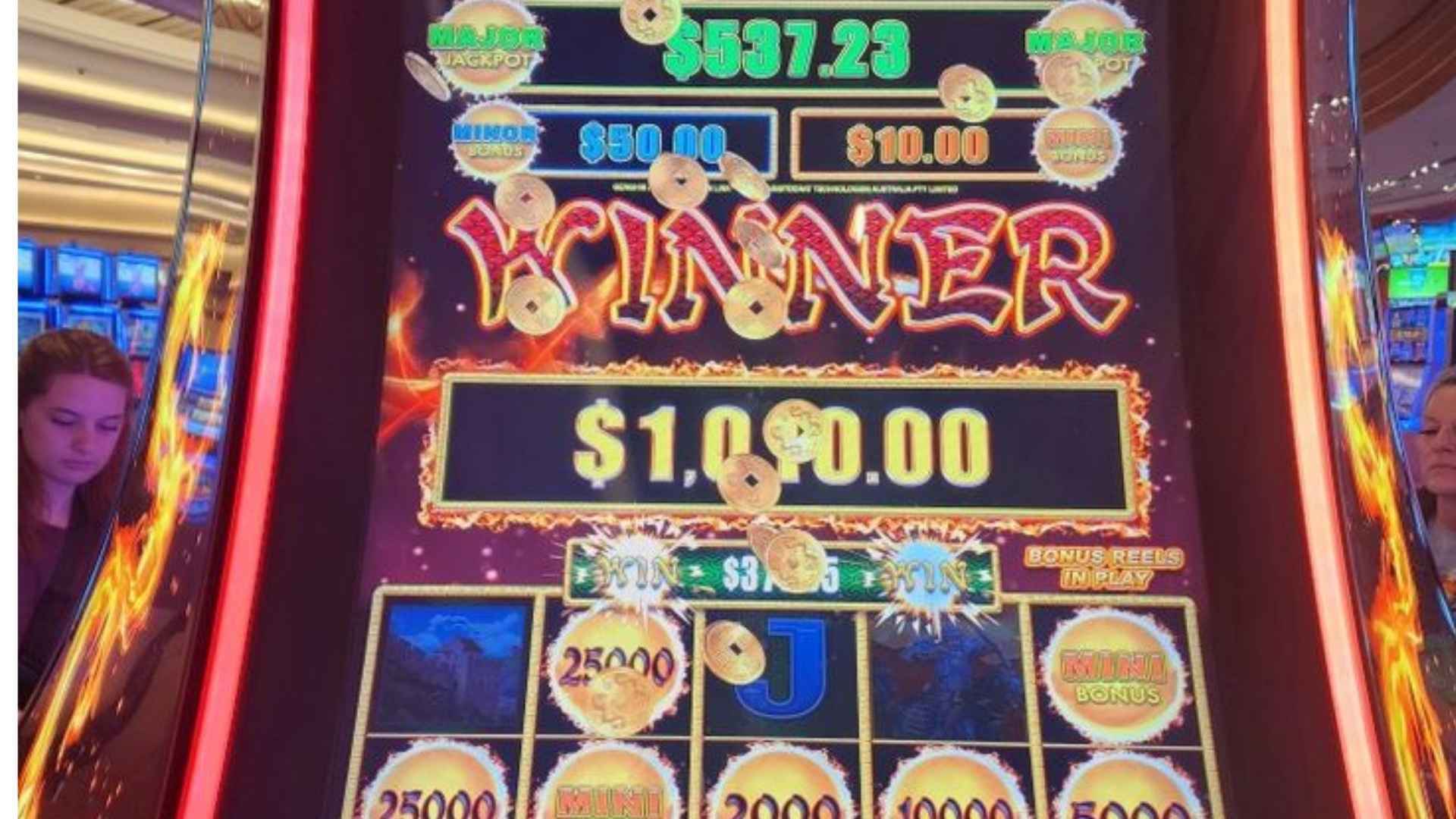
Random game mechanics have long served as a cornerstone of interactive entertainment, keeping players engaged through unpredictable outcomes. While many attribute the thrill of these systems to the moment of discovery, the true driving force lies in the psychological buildup before the final result is revealed. This hidden window of emotional tension alters how players perceive risk, reward, and the overall fairness of a digital ecosystem.
The Psychology of the Micro-Delay
When a game introduces a randomized event, such as a rolling die or a slowing reward indicator, it rarely delivers the outcome immediately. Game designers intentionally engineer a brief pause or animation to suspend the user in a state of high curiosity. This temporal space triggers a rapid cognitive assessment, forcing the brain to evaluate potential scenarios within a fraction of a second.
During this brief window of time, human engagement reaches its absolute peak. The mind naturally attempts to forecast the landing zone, transforming a passive statistical calculation into an active mental investment. This delicate design choice ensures that even a routine randomized event carries substantial emotional weight.
Neurological Responses to Imminent Variety
Neuroscience demonstrates that anticipation stimulates the release of neuromediators associated with motivation and drive. The brain experiences a stronger chemical surge during the waiting period than it does when the actual reward is collected. This behavioral pattern explains why users remain deeply fascinated by systems governed entirely by statistical variance.
Modern gaming environments utilize these cognitive traits to craft more immersive loops that prevent early fatigue. Interactive entertainment systems, including digital platforms like m88 m88lu.io, rely on subtle visual pacing to keep players completely absorbed in the unfolding action. By managing how quickly information is disclosed, creators can turn simple mechanics into highly memorable events.
Designing Balanced Visual Tension
The visual representation of a random mechanic directly determines how much tension it can successfully build. An instantaneous pop-up window lacks the theatrical presentation required to generate genuine curiosity or lasting satisfaction. Conversely, an animated progression creates a shared rhythm that guides the observer eyes toward the final destination point.
To maintain authentic trust, these animations must appear mathematically accurate and physically consistent. Slower deceleration speeds allow players to process near-miss scenarios, which heightens the emotional narrative of the experience. When a system respects these structural elements, participants feel the final outcome was achieved through genuine transparent chance.
The Spatial Dynamics of Reward Delivery
Where rewards are placed within a randomized sequence also influences how users calculate their long-term options. Grouping high-value targets near more common outcomes creates a visual landscape that feels rich with constant opportunity. This spatial design encourages analytical thinking as players adjust their strategies based on perceived trends.
Ultimately, random mechanics achieve longevity because they transform ordinary choices into dramatic interactive narratives. By mastering the hidden role of anticipation, modern developers build systems that are both mathematically stable and emotionally rewarding. This careful balance ensures that the journey toward the outcome remains just as satisfying as the prize itself.