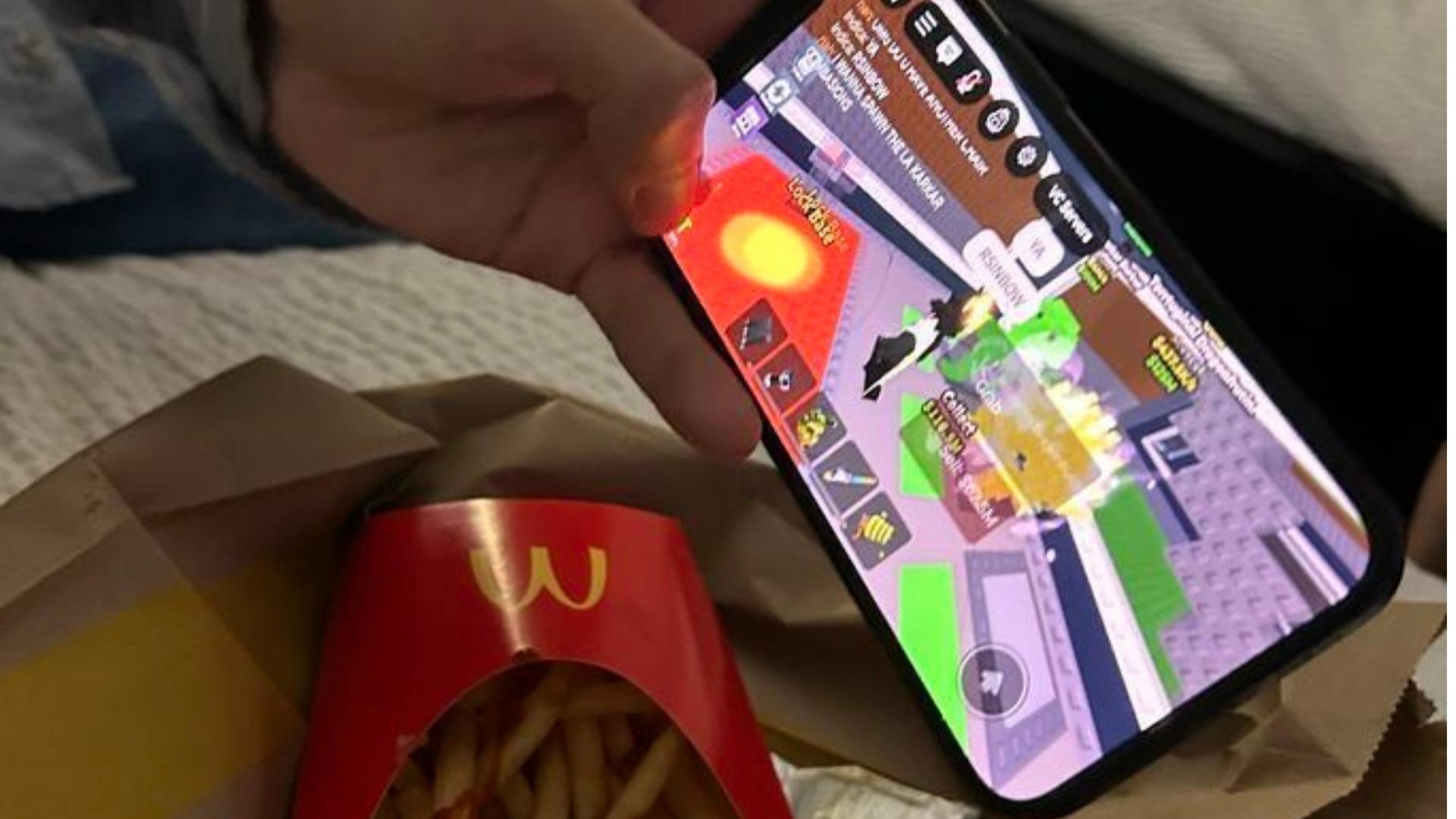
The global mobile gaming landscape has reached an incredible turning point as creative developers push the boundaries of portable technology. Enhanced processing units and optimized software allow smartphones to host complex digital environments that were previously restricted to dedicated desktop platforms. As millions of active players seek deeper interactions, the industry responds with pioneering mechanics that redefine community engagement and portable entertainment.
Evolution of Real-Time Multi-Tier Worlds
Modern mobile software relies heavily on persistent virtual spaces that change based on collective player decisions rather than static coding. These live-service systems offer evolving structural maps and localized regional updates to maintain long-term engagement loops. This active development philosophy ensures that digital storefronts stay filled with dynamic experiences for a diverse global player base.
Furthermore, cross-platform synchronization allows seamless transitions between phones and computers without losing historical progress. This integration removes structural hardware limitations, allowing casual users and dedicated competitive players to share the exact same matchmaking space. Investing time in these modern titles rewards participants with collaborative social mechanics and complex shared objectives.
The Shift Toward Decentralized Gaming Hubs
Achieving success in fast-paced tactical environments requires access to balanced community networks and performance optimization strategies. Many international enthusiasts utilize comprehensive tracking platforms like M88.com to keep track of structural adjustments and regional multiplayer events. Utilizing these informational hubs helps individuals maximize their in-game potential and discover highly specialized playstyles.
The growth of dedicated virtual ecosystems highlights a shift away from isolated standalone software toward communal environments. These interactive neighborhoods support long-term progression structures that prioritize steady skill advancement over instant gratification loops. Consequently, modern portable experiences function more like interactive networks than simple electronic distractions.
Advanced Graphics and Procedural Mechanics
Visual fidelity on mobile hardware has transitioned far beyond basic pixel designs into an era of high-fidelity lighting and complex physics rendering. Developers utilize procedural generation algorithms to create sprawling narratives and deep architectural layouts dynamically. This balance of advanced technological infrastructure and artistic innovation ensures that gameplay environments never feel repetitive.
Additionally, modern touchscreen response architectures are engineered to support highly detailed reflex mechanics and intense real-time battles. Fast matchmaking queues allow players to test tactical approaches instantaneously against global opponents without facing extensive lobby wait times. This focus on smooth performance keeps users coming back to their favorite digital platforms daily.
Prioritizing Accessible and Inclusive Design
While high-stakes tactical simulations are growing rapidly, accessibility remains an essential component of modern mobile game development. Intuitive control schemes and adaptive difficulty adjustments allow newcomers to participate in complex gaming ecosystems without facing steep learning curves. This balance of competitive depth and immediate fun expands the audience to include multi-generational player families.
Ultimately, the continuous development of cloud infrastructure and connected networks guarantees a promising future for mobile entertainment. As creators experiment with creative layout loops and unique features, portable titles will continue to reshape the global entertainment industry. Finding an option that fits into a busy daily routine provides meaningful connections and endless entertainment on the go.